Two skiers step off the same lift on the same grey February morning. One is wearing a bulky insulated jacket, zipped to the chin, hood up against the wind. The other has a thin shell over a grid fleece and looks, at a glance, dangerously underdressed. Both will be comfortable all day, and neither made a mistake. They just chose different tools for the same job: staying warm and dry while sliding downhill.
Insulated jackets and uninsulated shells are not rivals in a winner-takes-all sense. They are answers to two different questions. One asks, "What if I want warmth built in and nothing to think about?" The other asks, "What if I want to control my own temperature hour by hour?" Most skiers who spend serious time on snow end up with both. The trick is knowing which one deserves your money first.
What counts as a shell, and what counts as an insulated jacket
A shell is fabric and nothing else. Its only jobs are blocking wind, shedding snow and letting sweat vapour escape. There is no fill, no lining meant to hold heat. Within that category you'll find hardshells, which rely on a waterproof membrane and taped seams, and softshells, which are stretchy, quieter and far more breathable but only hold off light snow and drizzle. A hardshell is what you wear when the forecast is genuinely ugly.
An insulated ski jacket takes that same weather protection and sews warmth into it, using synthetic fill, down, or a mix. The range is enormous. At one end sits a lightly padded jacket that feels barely warmer than a thick fleece; at the other, a deep-winter coat that would be at home on a glacier. Both get called "ski jackets," which is where a lot of buying confusion begins.
The difference that matters isn't the label on the hangtag. It's whether the warmth is fixed to the jacket or fixed to you.
Warmth and breathability: the real trade-off
An insulated jacket is faster to put on and harder to fine-tune. You pull it from the closet, you wear it, and it does its job. On a cold, windy morning at a resort where you'll spend eight minutes riding for every three minutes skiing, that convenience is worth a great deal. You stand on the chairlift, the wind hits, and the insulation simply absorbs it.
The problem arrives around eleven o'clock, when the sun comes over the ridge and the snow softens. In a fixed-insulation jacket your options are limited: open the front zip, open the pit zips if it has them, and accept the sweat. You can't remove half the warmth. You can only remove all of it, which is a poor trade when the temperature is minus eight.
Breathability is where shells earn their reputation. A good hardshell with long pit zips lets you dump heat on the descent and seal up again on the lift. It also dries quickly. Hang it in a hotel bathroom overnight and it's ready by morning. An insulated jacket that has absorbed a day of sweat has to dry through its fill as well, which takes longer, and a damp jacket is a cold jacket the next day.
The best jacket is the one you can adapt at eleven in the morning without walking back to the car.
The shell is a system, the insulated jacket is a decision
Owning a shell means owning a layering problem, and that's either the fun part or the annoying part depending on your temperament. The upside is precision. The same shell works in December at minus fifteen and in April at plus five, because you change what's underneath rather than what's outside.
What actually works under a shell for resort skiing:
- A thin base layer in merino or a synthetic knit. Cotton is a mistake in any season.
- A grid fleece for cold starts and hard skiing. It breathes well and dries fast.
- A light hooded synthetic puffy as a midlayer on genuinely cold days. This is the most versatile piece most skiers own.
- A fleece plus a vest for days when the temperature swings and you want to shed warmth in small steps.
A routine that works on the mountain
- Start the day slightly cool at the base lodge. You'll warm up within two runs, and being cold and dry is easier to fix than being sweaty.
- Ride the first chair with the midlayer on and the shell vented.
- At the first sign of sweat on your back, open the pit zips before you open the front. Vents cool you without letting snow in.
- Carry a spare midlayer in the pack on cold days. Swapping a damp fleece for a dry one at lunch is the cheapest comfort upgrade in skiing.
Where each one belongs: matching the jacket to the day
Climate does a lot of the deciding for you. In a cold, dry interior snowpack, where the snow squeaks and the air holds no moisture, an insulated jacket is a pleasure and a shell demands discipline. In maritime ranges, where wet snow falls heavy and the temperature dances around freezing, a shell is the smarter long-term purchase. Wet weather punishes fixed insulation, and it rewards the ability to add a dry layer at noon.
How you ski matters just as much:
- Lift-served, cold days, lots of standing: insulated jacket.
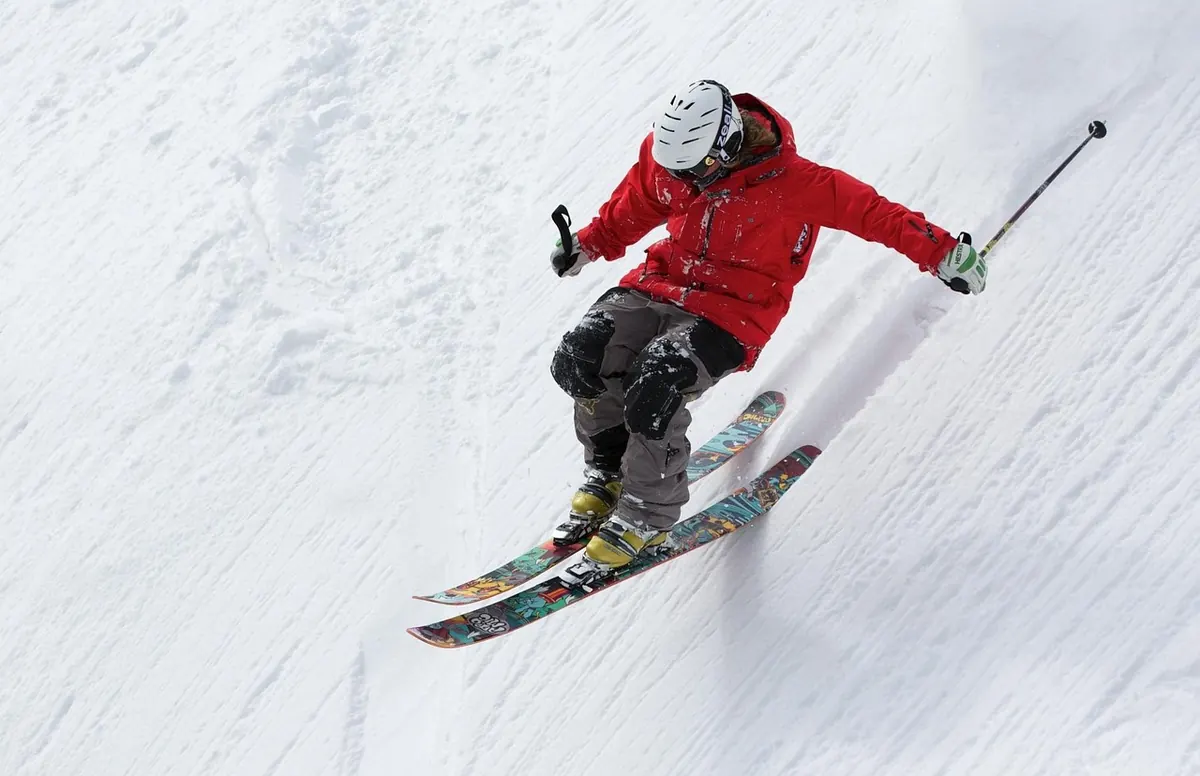
- Hard charging, hot-natured skier, spring conditions: shell with a thin fleece.
- Touring, sidecountry, any uphill effort: shell, without question. You'll be unzipped and vented within ten minutes of starting.
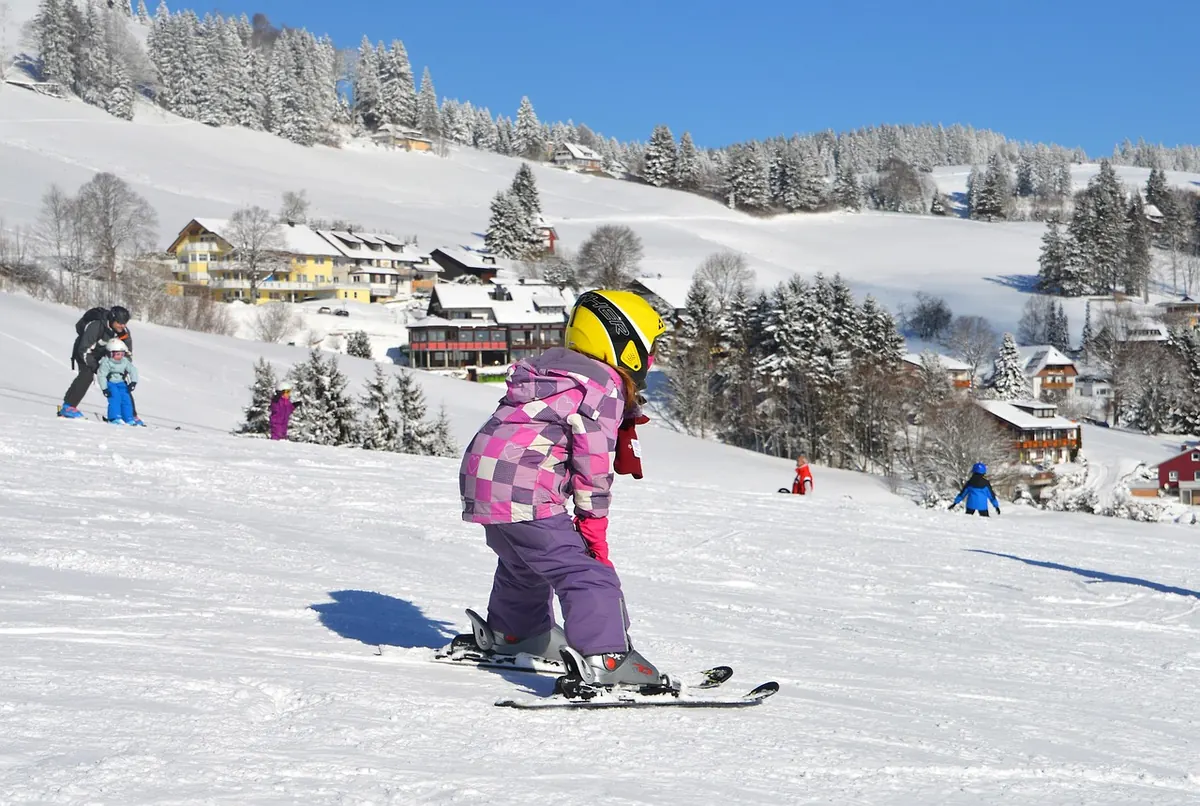
- Beginners and children: insulated jackets are simpler and more forgiving when a lesson runs long and the pace is stop-start.
- Instructors and patrollers: shells with layers, because they alternate between standing still and demonstrating.
What to check on the rack
Regardless of which type you're buying, a few details separate a jacket that works from one that irritates you all season. Pull the hood over your helmet in the shop; it should turn your head with you rather than sliding sideways. Check that the pit zips are long enough to matter, ideally running from the ribcage to the bicep. Look for a powder skirt that can be removed on mild days, cuffs that close snugly over gloves, and at least one chest pocket big enough for a phone, which also keeps the battery warm and alive on cold days.
For shells, pay attention to seam sealing and to the water-repellent finish. It will fade with use and can be restored with a wash-in or spray-on treatment; follow the care label rather than guessing. For insulated jackets, make sure you can fit a midlayer underneath without compressing the fill, because squashed insulation traps less warmth.
How to choose your first one, and when to add the second
Start with an honest count. If you ski fewer than ten days a season, mostly at resorts, mostly in cold weather, and you feel the chill on the chair, buy a lightly insulated jacket. It removes a decision from your morning routine, and it will handle nearly everything short of a spring slushfest or a skin track.
Buy the shell first if you run hot, ski in a wet climate, plan to tour at all, or already own decent fleeces and a puffy. It's the more flexible purchase and the one that will still be in your closet in ten years when your preferences have changed. If you're genuinely torn and ski in mixed conditions, buy the shell and put the savings into a good midlayer.
Then, when the budget allows, add the other. The pairing most skiers settle on is one hardshell and one lightly insulated jacket, which between them cover everything from a storm day in January to a soft, sunny afternoon in April. Two jackets, one system, and no more standing in the lodge at nine in the morning wondering what to wear.
Photo: Freek Wolsink / Pexels