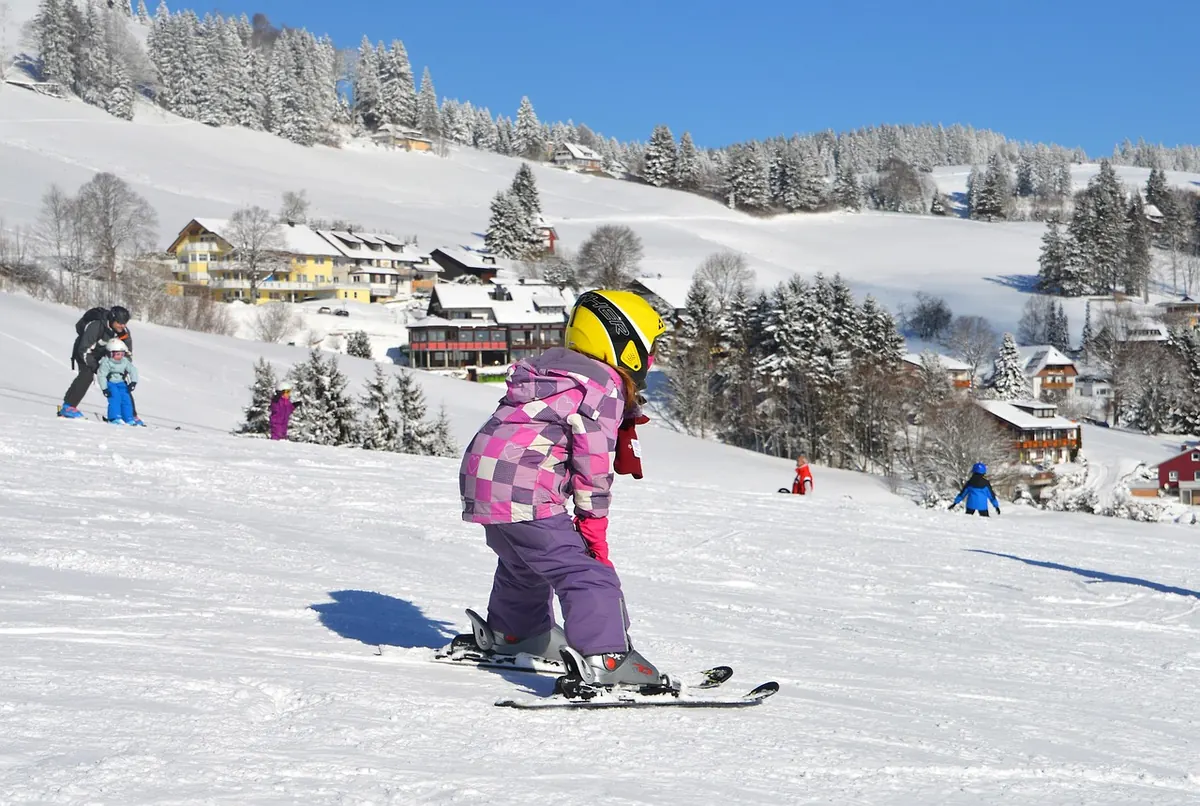
The first ski day with a child rarely looks like the brochure. There is a boot that will not buckle, a mitten buried somewhere under the car seat, and a small person who has decided, firmly, that the snow is too cold and the lift too loud. None of that means the day is going badly. It means it is a first day. What separates a cheerful introduction to skiing from a morning that ends in tears in the lodge is mostly planning — the unglamorous kind, done the night before, in a warm room, with a list.
Get the Gear Right Before You Leave the House
Most first-day misery starts with clothing. A child in cotton socks and a fashion jacket will be wet and cold within twenty minutes, and no amount of encouragement fixes that. Dress in layers you can peel off at the lift, and keep the whole outfit genuinely waterproof.
- Jacket and snow pants: insulated and waterproof, not a rain shell and never jeans.
- Base layer: wool or synthetic. Cotton next to the skin holds moisture and chills fast.
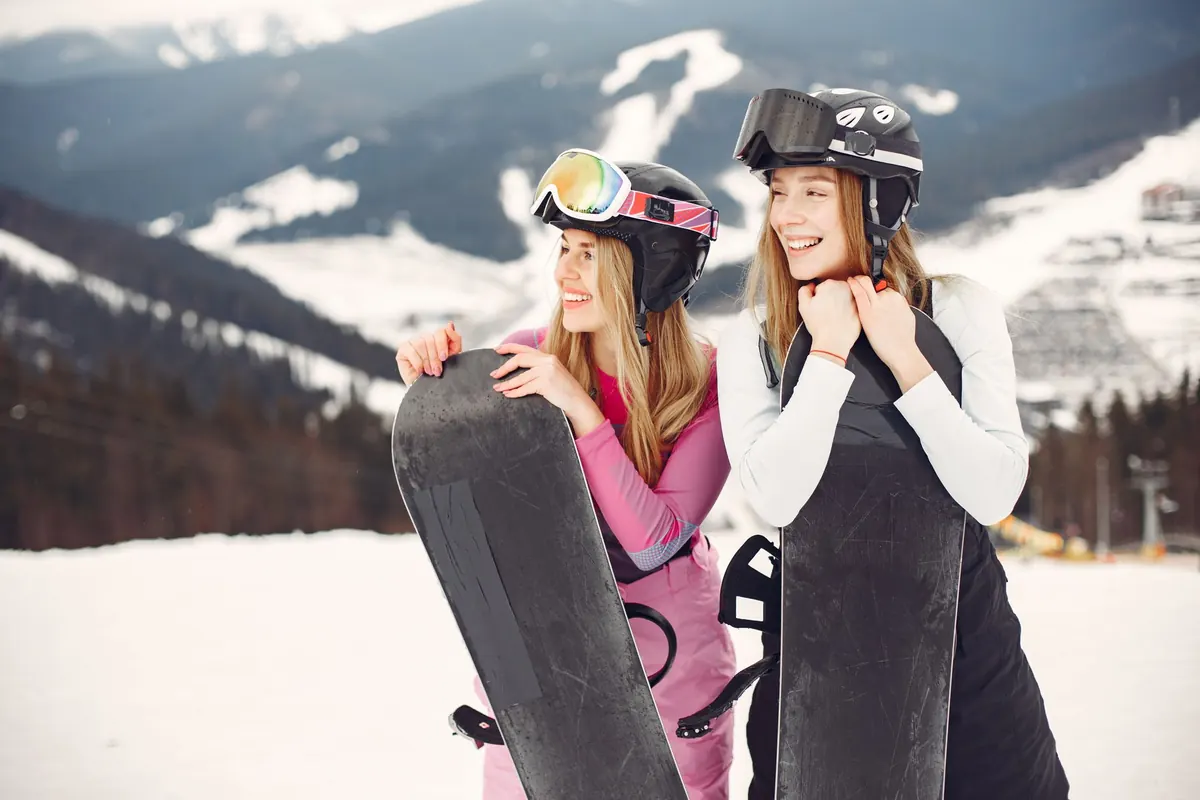
- Helmet and goggles: the helmet should sit level and stay put when your child nods; goggles should fit over it without pinching.
- Mittens over gloves: small hands warm up faster in mittens, and they are easier to get on.
- Spares: a second pair of mittens, a neck gaiter, and a towel in the car.
- The small stuff: sunscreen and lip balm, since snow reflects sun even on cold days, plus tissues.
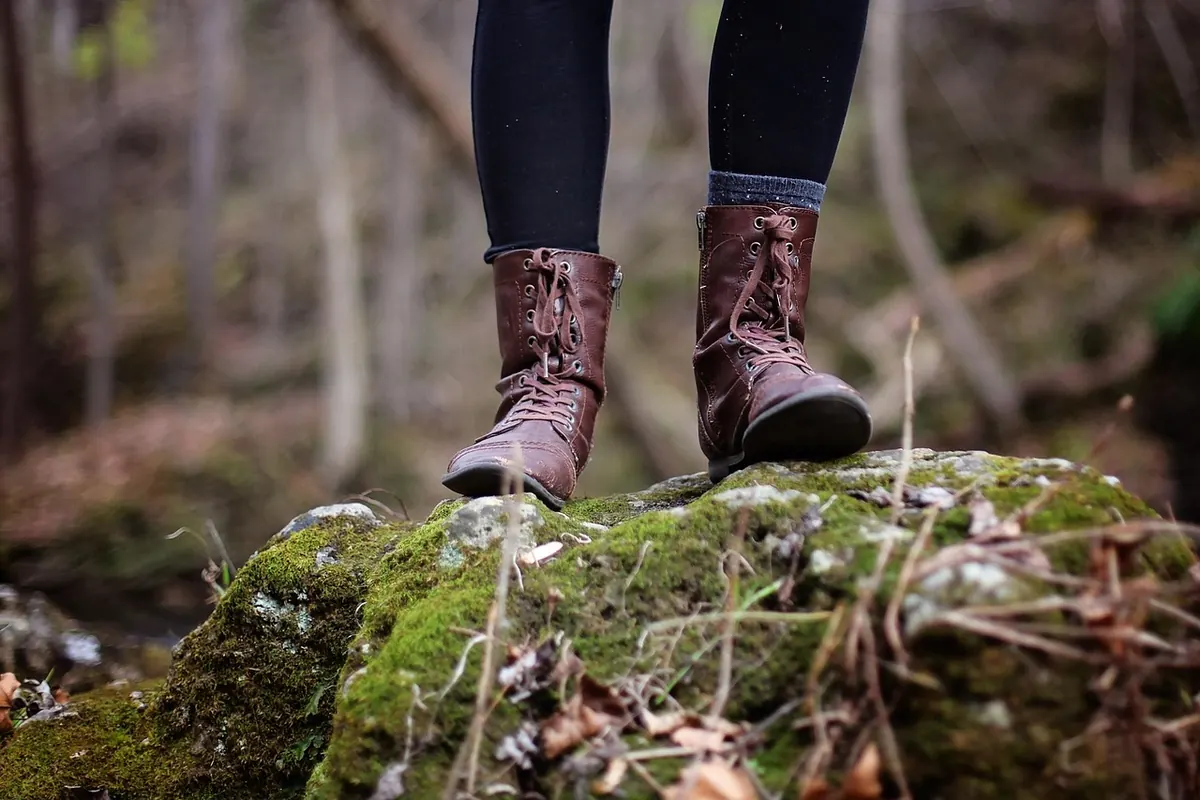
Boots are the piece worth getting right. Rent them, and if the shop lets you collect them the evening before, do it — fitting boots at 8 a.m. with a queue behind you is its own stress test. A good fit is snug around the heel with room to wiggle the toes, and your child should be able to stand with knees slightly bent. If they cannot walk in the boots without the heels lifting, they are too big.
Treat Snacks as Equipment
Hunger arrives earlier in cold air, and it usually announces itself as a tantrum rather than a request for food. Pack things that can be eaten with mittens on or in a few seconds at the bottom of the slope: cheese cubes, nuts, dried fruit, a sandwich cut into small pieces, a handful of crackers. Keep them in an outside pocket, not at the bottom of the boot bag.
Water matters as much as food. Fill a small bottle and offer it at every stop; children do not notice thirst when they are busy falling over. A thermos of hot chocolate is also legitimate strategy, not indulgence — it is the fastest way to reset a cold, discouraged child. And skip the long sit-down lunch. A ninety-minute break in a warm lodge drains more momentum than it restores. Small, frequent snacks and one short rest work better.
Book the Lesson for the Morning
Children are freshest and most willing early. A lesson at nine or ten in the morning catches them while they still think skiing is a great idea; the same lesson at two in the afternoon often begins with a child who has already used up their patience.
A lesson also gives your child a voice that is not yours. Many kids who will argue about snowploughing with a parent will happily do exactly the same thing for an instructor in a coloured jacket. Group lessons suit sociable children who like watching other kids try; a private lesson is often the better call for a nervous child, a very young one, or a short first visit.
Before you book, ask two questions: what is the minimum age, and what does the lesson include? Some programmes include the lift ticket and rentals, some do not, and the difference can matter to your budget. Confirm where the group meets. Then arrive thirty to forty-five minutes early, because finding the meeting point, parking, and getting a small person into boots always takes longer than you think. Book a half day rather than a full one — nobody's first morning needs to be a marathon.
Build a Warm-Up Hour Before the Lift
Do not head straight for the chairlift. Spend the first hour on flat snow near the base, ideally somewhere with a gentle slope and a soft run-out, and turn the basics into games. The aim is confidence, not technique.
- Walk around in boots on flat snow. Clomp like a robot. Stamp the snow off your boots together.
- Practise sidestepping up a small rise, then shuffling back down.
- Clip into one ski only and glide on the flat, pushing with the free foot.
- On a very gentle slope, try the wedge — the "pizza" — and practise stopping from a slow glide.
- Practise getting up after a fall, from both knees and from sitting.
Add a game to each step: follow the leader, chase the parent, pick up a small toy from the snow. End the warm-up before your child is tired. The rule for the lift is simple — no chairlift until they can stop on their own and get up without help.
Agree on an Exit Strategy Before You Need One
Decide in the car, out loud, what time you will stop and where you will meet if you get separated. Then treat that time as a promise rather than a target. Ending twenty minutes early on a good note is a far better investment than squeezing in one last run that ends in tears.
Watch for the signals that a child is done: complaints about hands, sudden quietness, sitting down in the snow, shivering. Cold takes children faster than adults, and a child who is cold cannot learn. Alternate who is on the slope between two parents so neither of you spends the whole day zipped into a boot. If it all falls apart, go to the lodge, hand over the hot chocolate, and call it. Have a backup plan that is not skiing — sledding, building a snowman, a warm drink by the fire — so the day still ends well.
The Goal Is Not a Good Day, It's a Second One
Measure the first ski day by one thing: whether your child would come back. That is it. Not how many runs you did, not whether they linked turns, not whether they beat their cousin down the slope. A first day that ends with cold hands and a grin is a success, and it buys you every day that follows.
So keep it short, keep it warm, keep the snacks close, and be prepared to walk away while everyone is still smiling. Whatever your child is doing on snow at the end of the day, check with a qualified instructor before pushing them onto steeper terrain or longer lifts — they will know far better than a general guide what your child is actually ready for.
Photo: PIRO4D / Pixabay